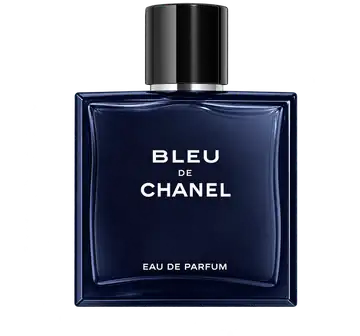
1) Bleu de Chanel Eau de Parfum
Ambery cedar, woods, musk and sandalwood give it the clearest polished woody identity of the three.
Read the Bleu de Chanel review
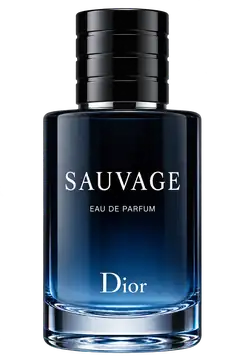
2) Dior Sauvage Eau de Parfum
Spicy bergamot leads into woody patchouli and warm vanilla. The wood here is tied to a sweeter, warmer base than Bleu de Chanel.
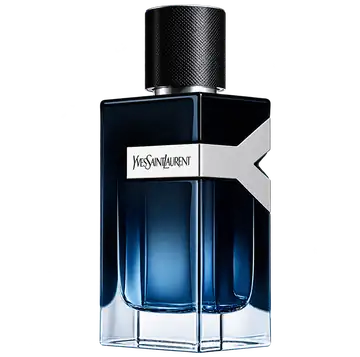
3) YSL Y Eau de Parfum
Woods sit inside a greener aromatic structure built around sage and geranium, while tonka adds warmth. The woody side feels less dry and more aromatic.
Which woody style fits you?
- Bleu de Chanel: polished cedar, sandalwood and musk.
- Sauvage EDP: woody patchouli with warmer vanilla.
- Y EDP: woods with green aromatics and tonka.
What does woody mean? Cedar is not the same as patchouli
“Woody” covers several very different impressions. Cedar and sandalwood can suggest a smooth, polished base, while patchouli can contribute an earthier facet. Perfumers can also build woody accords from several materials, including aroma molecules; a marketing note alone does not identify a literal extracted ingredient. Bleu de Chanel emphasizes cedar and sandalwood, Sauvage EDP includes patchouli with vanilla, and YSL Y sets woods beneath sage, geranium and tonka.
| Preferred style | Sample first | Key difference |
|---|---|---|
| Smooth, polished woods | Bleu de Chanel EDP | Cedar and sandalwood with musk and aromatics |
| Warm woods with sweetness | Dior Sauvage EDP | Patchouli and vanilla after bright bergamot |
| Wood beneath green aromatics | YSL Y EDP | Sage and geranium leading into woods and tonka |
How do you find out whether you like woody perfumes?
Test the exact version on your skin, then let the initial citrus or herbal impressions subside before deciding on the drydown. Note whether you like creamy-smooth woods, earthy contrasts or a greener composition. A label such as sandalwood, cedar or wood accord does not by itself tell you whether a specific natural extract is in the formula.
When this shortlist misses your preference
If you want pronounced oud, smoky leather or a fragrance built almost entirely around sandalwood, sample beyond these three familiar blends. This is a comparison of scent directions, not a complete list of woody materials. Learn the difference between natural and synthetic perfume materials and what fragrance notes mean before taking a note pyramid literally.
Can a men’s fragrance be both woody and fruity?
Yes. Fruit describes one facet and woods another; they can coexist in a single fragrance. YSL’s Saudi description of Y Eau de Parfum names an apple accord alongside bergamot and ginger, followed by sage, juniper and geranium, then ambery woods, olibanum and tonka. Its international description foregrounds sage, geranium, woods and tonka. The shorter summary does not cancel the apple facet in the fuller description.
Choose by the contrast you want
For a fruity aromatic direction, begin with the exact Y Eau de Parfum sample and assess the relationship between apple and its herbal-woody character. For a cedar-and-sandalwood direction with less emphasis on fruit, compare Bleu de Chanel EDP. For a fresh-to-warm contrast involving vanilla and patchouli, compare Sauvage EDP. These are different starting points, not three interchangeable woody formulas.
Fruit at the opening or woods through the drydown?
Before choosing, ask which part you want to remain enjoyable after the first impression: the fruity contrast, aromatic herbs or the warmer base. Compare one sample at a time through an ordinary day. A note list can suggest those differences, but it cannot specify how long the apple will last or how your skin will separate the facets.