At a glance
| Decision point | Dior Eau Sauvage Eau de Toilette | Dior Eau Sauvage Parfum |
|---|---|---|
| Published direction | Calabrian bergamot, hedione with a floral facet, and a chypre trail. | Calabrian bergamot and lemon; elemi and vetiver; warm spicy amber base. |
| Main contrast | Airier citrus-floral chypre structure. | Warmer citrus-resinous vetiver and amber direction. |
| Best reason to sample | You want classic polished citrus freshness. | You want Eau Sauvage with more resinous warmth and depth. |
| Performance | No fixed wear time claimed here. | Parfum does not guarantee the same result on every wearer. |
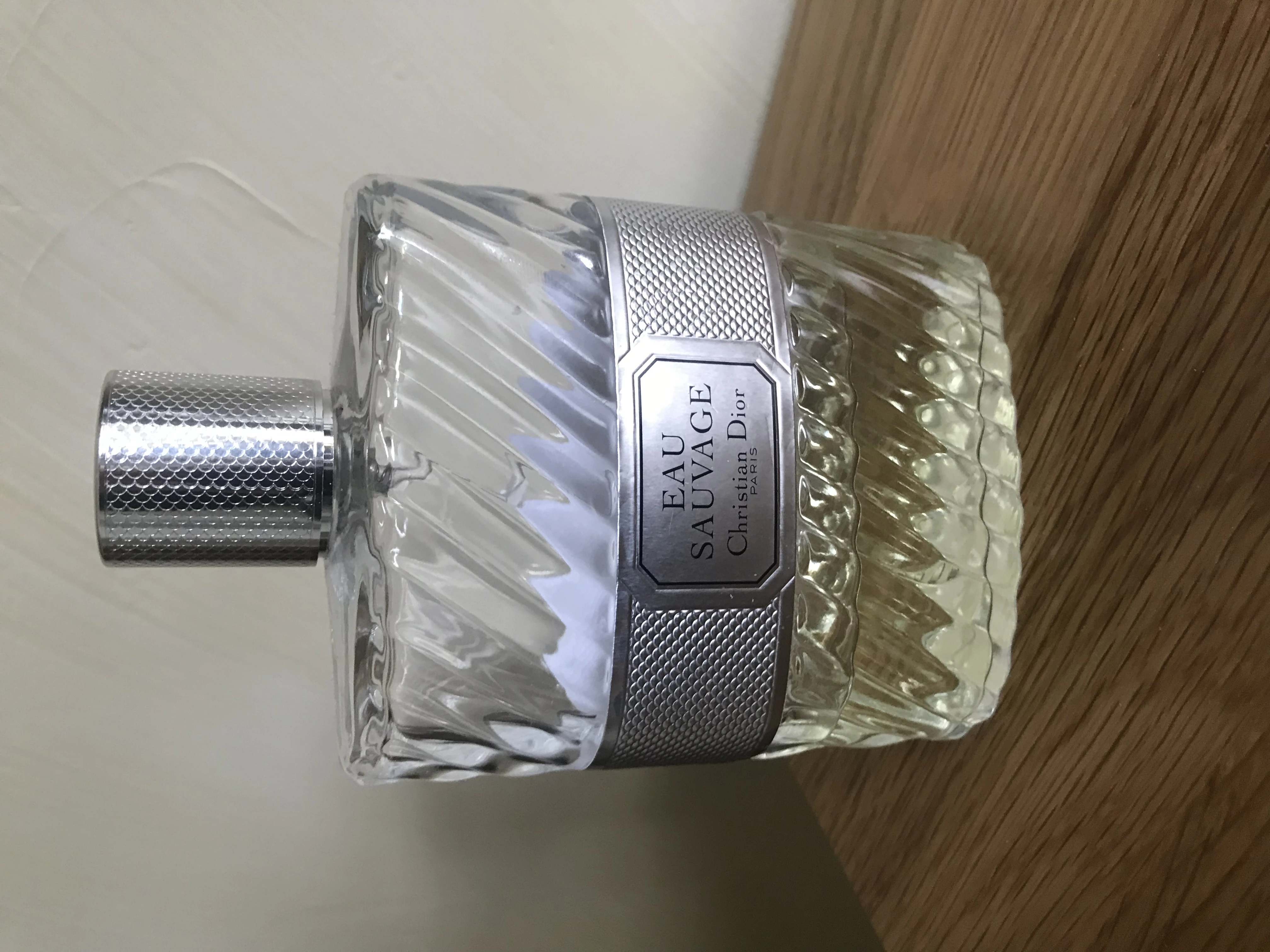

The citrus link
Bergamot connects both versions, preserving the recognizable bright Eau Sauvage opening idea.
How the EDT reads
Hedione adds a floral lift and the chypre trail gives the freshness a dry, polished structure.
How Parfum changes direction
Lemon, elemi, vetiver and warm spicy amber add more resinous, earthy and warm reference points.
Which feels fresher?
The EDT is the airier fresh direction on paper; Parfum is warmer and deeper.
Bottom line
Choose EDT for classic citrus-floral chypre freshness; choose Parfum for bergamot and lemon with elemi, vetiver and warmer amber depth.
Questions before choosing
Is Eau Sauvage Parfum just a stronger EDT?
No. It has a distinct published structure with lemon, elemi, vetiver and a warm spicy amber base.
Which is fresher?
The EDT is the fresher direction on paper.
Which is warmer?
Parfum is warmer because of its spicy amber base and resinous elemi.
Is Eau Sauvage the same as Dior Sauvage?
No. Eau Sauvage and Sauvage are separate Dior fragrance lines.