Start with real-life use
Think about where you will wear it most: work, study, everyday outings or social events. A signature scent should fit your routine more than it should impress on paper.
Choose a style you consistently enjoy
Look at the scent families and notes you repeatedly like instead of buying a popular fragrance that does not match your taste.
Wear it more than once
Test the fragrance on several days and in different temperatures before making it your default. One first impression is not enough.
Check comfort after several hours
A fragrance can have a great opening but become tiring later. Make sure you also enjoy the middle and drydown.
Do not turn the idea into a rule
You can have one main fragrance and still use alternatives for seasons or occasions. The goal is identity and comfort, not wearing one bottle forever.
Related guides
How to find your signature scent in 2026: a practical testing plan
A signature scent is the fragrance you naturally want to return to, not the bottle with the most compliments. Choose for your real routine, then use a consistent test instead of buying after a few seconds at the counter.
Start with one week of real situations
Write down where the perfume will actually be worn: a shared office, a warm commute, evenings, studying or outdoors. Prioritize the setting that accounts for most of your week. A fragrance you enjoy on holiday may feel intrusive during a close-contact workday.
Also write down two boundaries. Perhaps you dislike strong vanilla sweetness, prefer no smoky leather, or need a discreet scent around other people. Excluding obvious dislikes is often more useful than chasing a fashionable launch.
Create a shortlist from scent families
Pick three directions rather than three versions of the same perfume. One could focus on citrus or aromatic herbs; a second on florals; a third on woods, musks or warm gourmand notes. Sampling varied structures reveals which style holds your interest.
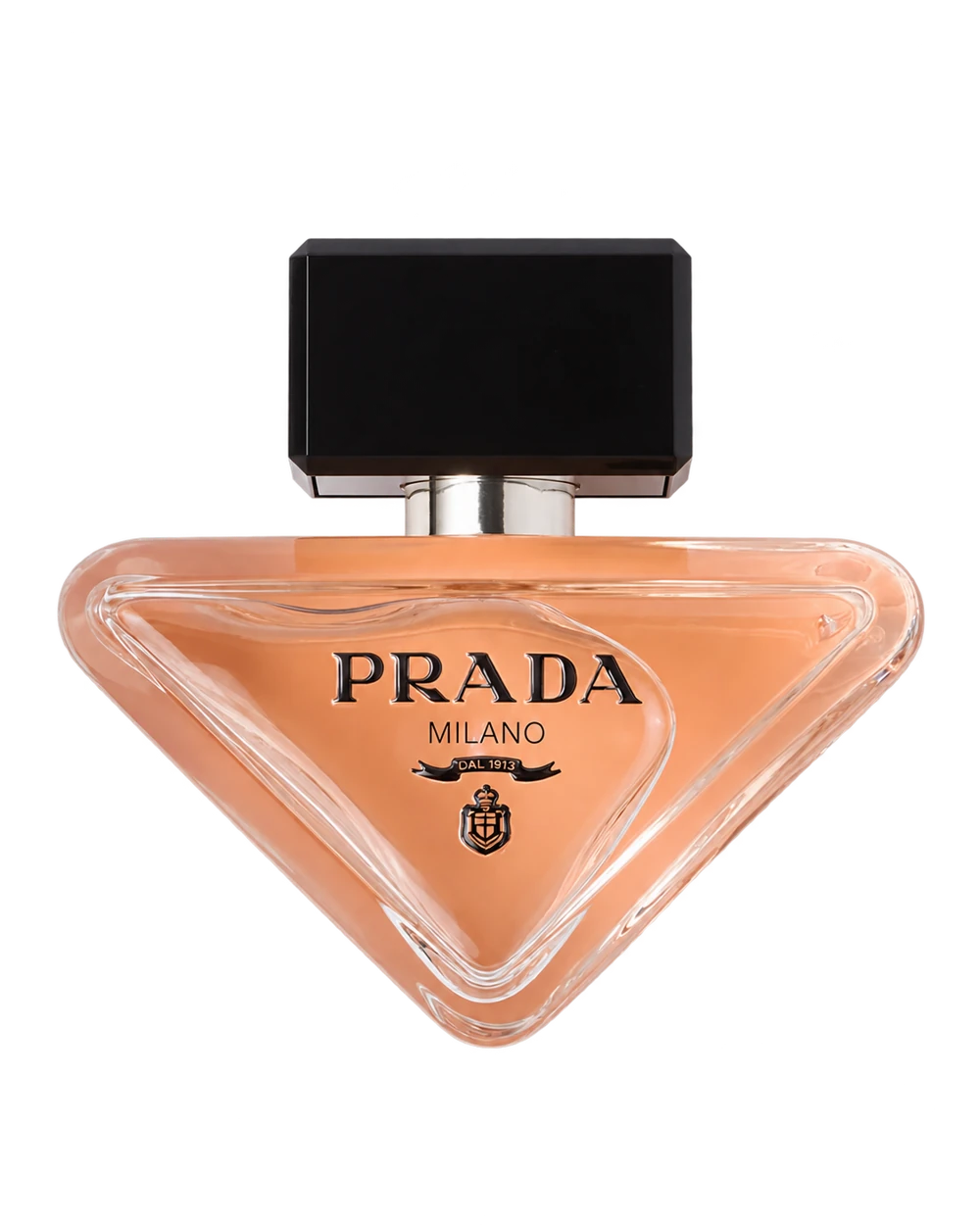
Read the product's full edition name and concentration. Paradoxe and Paradoxe Intense, for example, are distinct compositions. Marketing terms and concentration labels are not a reliable substitute for comparing the actual drydowns.
A five-day sample plan
Day 1: test candidate A on clean skin; note the opening, heart and base. Day 2: wear candidate B in a similar routine. Day 3: test candidate C. Avoid spraying unrelated fragrances during these tests.
Day 4: revisit the two most comfortable candidates on separate, comparable days if possible, or start a second week rather than crowding them together. Day 5: decide only whether to request another sample or a small travel size. You do not have to commit to a full bottle immediately.
Record weather, location, number of sprays, comfort in shared spaces, and whether you still want to smell the fragrance hours later. Skip claims such as guaranteed eight-hour wear unless you measured them fairly yourself.
A useful personal scorecard
Rate each candidate from 1 to 5 on four subjective questions: Do I like the first impression? Do I enjoy the later scent? Is it comfortable in my everyday surroundings? Would I choose it again tomorrow? These are personal preference scores, not scientific fragrance ratings.
A candidate with a dramatic opening but a tiring base should not automatically win. Conversely, a quiet scent may be exactly right for a personal signature. Ask how it feels on your skin rather than treating compliments as evidence of quality.
When one signature scent is not enough
It is reasonable to keep a primary fragrance and an occasional alternative. Seasonal warmth, close seating, commuting and personal comfort may change the dose and mood you want. A small wardrobe can be more practical than insisting on one perfume in every situation.
You also do not have to own niche or expensive brands. Identify a note structure that you genuinely like, check the cost per use and availability of a sample, and only then decide if a bottle is worthwhile.
Compare scent profiles, not popularity
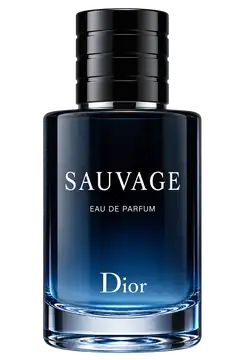
These verified perfume pages show two distinct published note directions. They are illustrations for research, not universal signature recommendations.
Signature scent FAQs
Can I have more than one signature scent?
Yes. One everyday preference and another for occasional wear can both be meaningful without becoming an oversized collection.
How long should I test a perfume?
Test it through the later drydown on more than one comparable occasion; the number of hours differs by product and person.
Should a signature perfume be strong?
No. Comfort, enjoyment and the settings where you wear it matter more than maximum projection.
Is a popular perfume a bad signature scent?
No. Popularity alone neither proves nor disproves suitability. Decide from your own samples and routine.
Build a shortlist and test it properly
Test perfume before buying · Choose an office-friendly scent · Try the perfume finder