Start with only two fragrances
Using three or four scents at once makes the result hard to understand. Two is enough to learn whether the combination is balanced.
Look for a shared note or a deliberate contrast
You can pair fragrances that share vanilla, woods or musk, or create a clear contrast such as a fresh scent with a warmer one.
Reduce the number of sprays
If you normally use four sprays of each fragrance alone, do not use the same amount when layering. Start with one or two sprays of each.
Try more than one application order
You can place the fragrances on separate areas, or apply the lighter scent first and the denser one after it settles. The result can change noticeably.
Test the combination through the full drydown
A pleasant opening does not guarantee a balanced base. Wear the combination for several hours before deciding whether it works.
Related guides
How to layer perfumes in 2026: notes, pairings and a practical test
Layering is about observing two finished perfumes together, not making a permanent mixture in the bottle. Use a repeatable comparison to work out whether their opening and drydown still feel comfortable.
What makes two perfumes suitable for a layering trial?
Read the published note profiles of both exact editions. A common facet such as vanilla, musk or cedar can make a useful point of comparison, but overlap does not guarantee harmony. Two perfumes containing vanilla may still differ in sweetness, woods, spice and overall impact.
A contrasting pair can also be interesting: an aromatic citrus profile next to a warm base, or a restrained floral perfume beside a clean woody scent. Start with what you already own in sample form. Do not buy a second bottle solely because a social-media pairing is popular.
Three note-based combinations worth investigating
Citrus and soft woods: compare a bright citrus introduction with a quieter woody profile. The question is whether the citrus remains legible or the wood takes over after the first impression.
Lavender and vanilla: compare how an aromatic lavender facet changes next to a warm vanilla facet. Some completed fragrances already contain both, so a second perfume may only make the composition more crowded.
White flowers and gentle musk: try two fragrances with related floral or musky descriptions on separate skin areas before overlapping. A shared family can feel cohesive or too dense; only an actual wear test answers that.
A controlled two-day layering experiment
On day one, try one spray of fragrance A on one wrist and one of B on the other. Wait for the initial alcohol sensation to clear and note the opening, the middle and the later base. This shows how each perfume behaves independently.
On day two, if both were comfortable, use one light application of each on separate nearby areas and compare. Only after that consider overlap on a small area. Note which smell dominates and whether the result is still pleasant indoors.
Keep the same weather, approximate dose and timing when possible. Write down the names and concentrations: Eau de Toilette, Eau de Parfum and flankers are not automatically interchangeable.
Order, skin, clothing and comfort
Applying the lighter fragrance first is an experiment, not a universal rule. The perceived result depends on the actual formula, atomizer and skin. Spraying the two scents on different locations is easier to evaluate and avoids saturating one spot.
Do not combine perfume liquids in a bottle, apply to irritated skin or spray deliberately onto delicate clothing. Fragrances can stain fabrics, and layering does not remove the need to follow each product's normal usage advice.
Seven reasons a pairing disappoints
A pairing can fail because both openings are loud, one base overwhelms the other, the combined dose is too high, you judged only the paper strip, you switched between editions, your nose became used to the smell, or the blend is uncomfortable in a confined room.
Correct only one variable at a time: fewer sprays, different locations, another order or a different pairing. If it still feels distracting, wearing either perfume alone is a perfectly useful outcome.
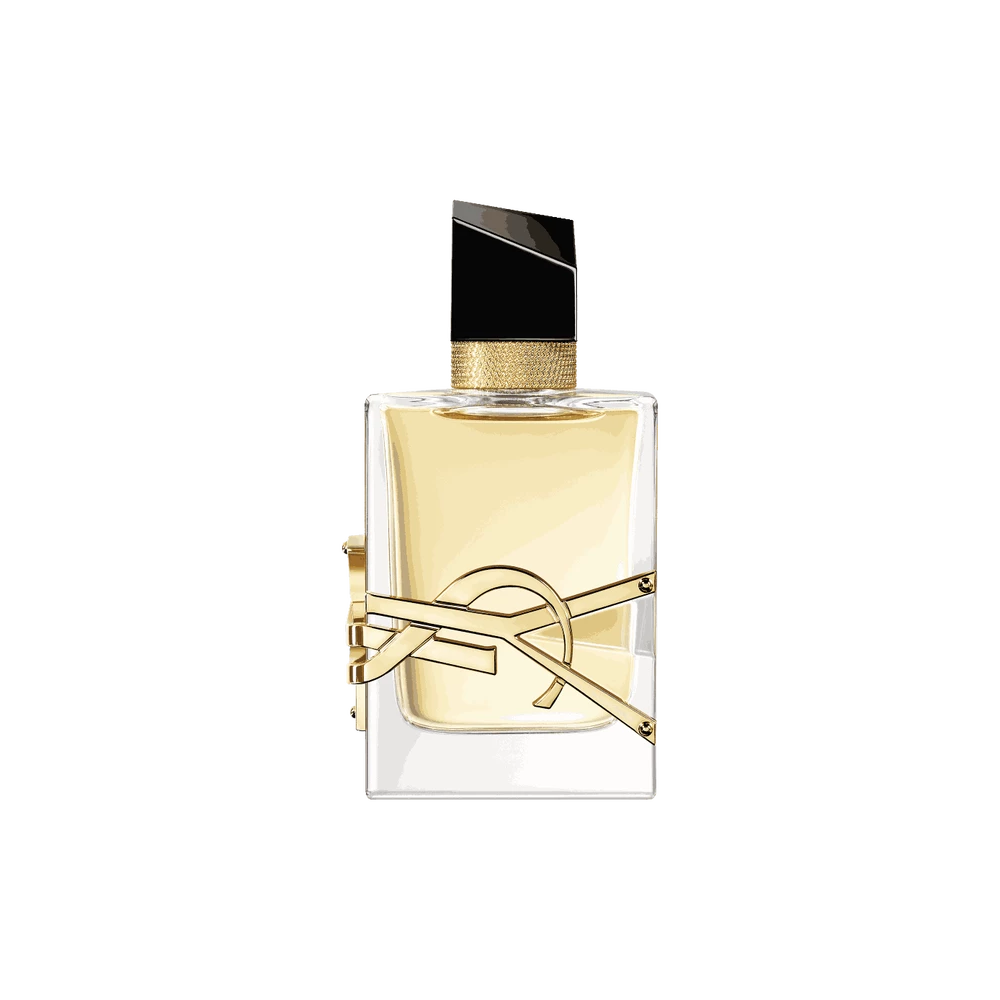
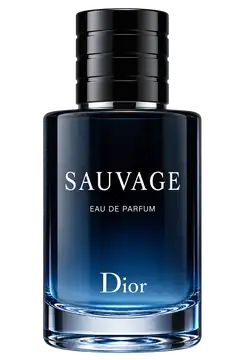
Two separate note guides for practice
Use these product pages to compare published notes before constructing a theoretical pairing; the bottles below are not presented as a wear-tested combination.
Fragrance layering FAQs
Can I layer any two perfumes?
You can test many combinations, but there is no guaranteed compatible pair based on a shared note. Start with a small amount of two fragrances you already tolerate.
How many sprays do I use when layering?
Try less than your usual combined dose. One spray of each in separate locations is a practical starting test, not a prescribed quantity.
Does layering make perfume last longer?
Not necessarily. More fragrance may change how noticeable it seems, but it does not establish a predictable extra number of hours.
Should I spray one fragrance over the other?
Test them separately first. Overlap only if you like both full drydowns; order is a variable, not a universal rule.
Continue with notes and a disciplined sampling method
Compare two perfumes · Where to apply perfume · Choose a signature scent